How to Use Bark Chippings for a Low-Maintenance, Tidy Garden
Keeping a garden looking neat and well cared for doesn’t have to mean constant work. One of the simplest ways to improve appearance while reducing upkeep is by using bark chippings. Whether you’re refreshing borders, covering bare soil, or tidying up planting areas, bark offers a practical and attractive solution that works in almost any outdoor space.
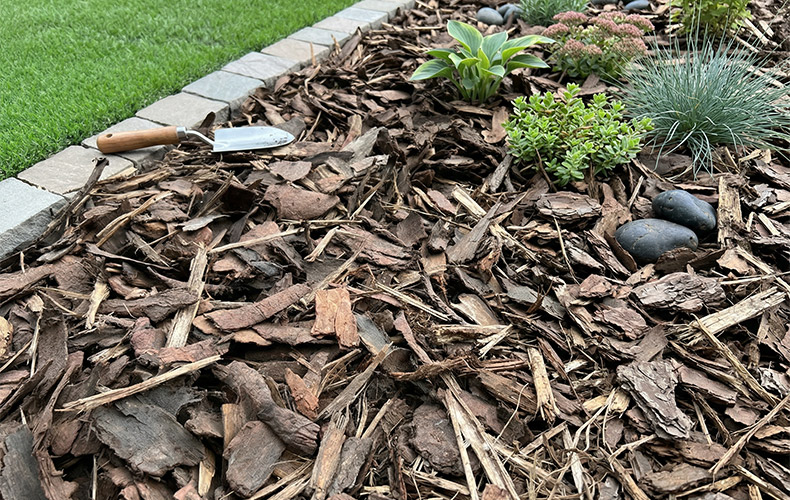
What are Bark Chippings?
Bark chippings are a natural landscaping material made from the outer layer of trees, typically sourced from forestry by-products, part of our topsoil and mulch range. Often referred to as bark mulch or garden bark, they are widely used to cover soil in beds and borders.
Available in different grades and sizes, bark chippings provide a soft, natural finish that complements planting while also serving a functional purpose in the garden.
What are Bark Chippings Used For?
Bark chippings are commonly used across a range of garden settings, including:
-
Garden borders and flower beds
-
Around shrubs and trees
-
Pathways and informal walkways
-
Play areas and outdoor spaces
They are especially popular as bark for borders, where they help create a clean, uniform look while protecting the soil underneath.
Why are Bark Chippings Popular in Low-Maintenance Gardens?
For homeowners looking to reduce time spent on upkeep, landscaping mulch like bark chippings offers several key advantages:
-
Weed suppression – helps limit unwanted growth
-
Moisture retention – reduces the need for frequent watering
-
Improved appearance – creates a tidy, finished look
-
Soil protection – helps regulate temperature and prevent erosion
This combination makes bark chippings a go-to choice for anyone aiming to create a garden that looks good with minimal effort.
Do Bark Chippings Stop Weeds?
Bark chippings can significantly reduce weeds, especially when laid correctly. While they won’t eliminate weeds entirely, they act as a barrier that blocks sunlight, making it harder for weeds to grow.
For best results, many people combine bark chippings for weeds with a weed control membrane underneath, which provides an extra layer of protection.
How Deep Should Bark Chippings Be?
Depth is key to getting the most out of your bark.
-
Recommended depth: 50–75mm for general use
-
Heavier-duty areas: up to 100mm
Laying bark too thin reduces its effectiveness, particularly when it comes to weed control and moisture retention.
Do Bark Chippings Need Replacing?
Yes, but not frequently. As a natural product, bark will gradually break down over time, enriching the soil beneath.
Typically, you may need to top up bark chippings once every 12–24 months, depending on conditions and usage. This makes it a low-maintenance option compared to other materials.
Are Bark Chippings Better Than Gravel?
It depends on your goal.
Bark chippings:
-
Softer, more natural appearance
-
Better for plants and soil health
-
Helps retain moisture
Gravel:
-
Longer-lasting
-
More suited to driveways and heavy traffic areas
For planting areas and borders, bark chippings are usually the better choice, especially if you want a more organic, garden-friendly finish.
Do I Need a Membrane Under Bark Chippings?
A membrane isn’t essential, but it is highly recommended if your main goal is weed control. It helps prevent weeds from growing up through the bark while still allowing water to drain through.
For decorative areas or well-maintained beds, bark can also be laid directly onto soil.
How to Apply Bark Chippings
Applying bark chippings is straightforward and can be done in a few simple steps:
-
Prepare the area – clear any debris and level the surface
-
Remove existing weeds – ensure the area is as clean as possible
-
Lay a membrane (optional) – especially useful for long-term weed control
-
Spread the bark evenly – aim for a consistent depth of 50–75mm
-
Rake and level – for a neat, uniform finish
This quick process can instantly transform a garden space.
A Simple Way to Achieve a Tidy Garden
If you’re looking for an easy way to improve your garden’s appearance without adding to your workload, bark chippings are a reliable choice. They offer a balance of practicality and visual appeal, helping you maintain a clean, well-kept space with minimal effort.
You can order high-quality bark chippings online with nationwide delivery from Mainland Aggregates, making it simple to upgrade your garden whenever you’re ready.
IMPORTANT NOTICE – DOES NOT APPLY TO LOOSE DELIVERIES
- Orders are delivered by an 18t rigid vehicle with a tail-lift and manual pump trolley.
- A level tarmac, concrete, or block-paved area is required for unloading; the trolley cannot operate on grass, gravel, or slopes.
- The lorry (10m L x 2.8m W x 4m H) does not have a HIAB crane and cannot lift over fences/hedges or deposit bags on grass or gravel.
- Customers must ensure access roads and the unloading site are suitable for the vehicle. Inform us immediately of any access issues at 01234 831108
- Delivery guarantees kerbside only, though drivers will try to place orders in the required area.
- HIAB crane delivery is available for orders of 10+ bags/pallets at extra cost.
Categories
Recent Posts