Low-Maintenance Garden Ideas Using Decorative Aggregates

Most people don’t realise that a beautiful garden doesn’t necessarily need to be high-maintenance. Actually, some of the most attractive outdoor spaces use simple materials, such as garden stones, in a clever and minimalist way.
Stone aggregates, such as gravel, pebbles and cobbles, can help create a garden that looks tidy, drains well, and needs virtually no upkeep when compared with a more traditional design that relies on grass lawns and flowerbeds. Alternatively, or additionally, to a lawn replacement, stone can be great when used for paths, borders and seating areas. When used properly and effectively, aggregates will virtually remove the need for watering, weeding and those other annoying regular tasks that come with having a lawn.
Stone aggregates, such as gravel, pebbles and cobbles, can help create a garden that looks tidy, drains well, and needs virtually no upkeep when compared with a more traditional design that relies on grass lawns and flowerbeds. Alternatively, or additionally, to a lawn replacement, stone can be great when used for paths, borders and seating areas. When used properly and effectively, aggregates will virtually remove the need for watering, weeding and those other annoying regular tasks that come with having a lawn.
Rethinking your lawn with aggregates
Lawns can be beautiful, but they need regular maintenance, such as mowing, weeding, watering and edging in order to retain that beauty. A lawn can easily become a patchy, ugly mess that requires a lot of work to get looking good again and in small or irregularly shaped gardens, a lawn will usually be more effort than it is worth. Replacing part or all of a lawn with decorative aggregate, such as pebbles or cobbles, can make the space far easier to manage whilst still being visually pleasing.
Create simple garden paths
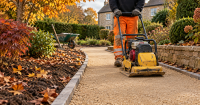
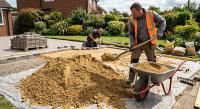
Stone aggregates, especially gravel, are ideal for low-effort garden paths which will be essential if you’re set on retaining a grass lawn to reduce foot traffic and, in turn, wear and damage to the lawn. For a long-lasting and stable path, you’ll need to prepare the area by removing any weeds, spraying with weed killer and then applying a subbase before covering with a weed-killer membrane before laying the aggregate. Consider using simple timber edging can help keep the path neat and prevent the stones spreading into beds or lawns. When choosing which type of gravel to use, keep in mind that smaller gravel is more comfortable underfoot, whilst larger chippings can create a more striking decorative effect.
Use aggregates in borders
Decorative aggregates can make planting borders and flower beds look more complete whilst also making them easier to maintain. A layer of gravel, slate, or decorative chippings around plants can help suppress weeds and reduce soil erosion during periods of high wind or heavy rain. This is particularly useful around shrubs or ornamental grasses but . The colour of the aggregate can also change the feel of the garden, light gravel can brighten shaded areas, dark slate can create contrast, and warm-toned chippings can soften a traditional planting scheme. Keeping a thematic colour scheme across your aggregates and other garden decoration will also make the garden feel more intentional and complete.

Eliminate mud and improve drainage
Most gardens have areas that stay muddy and difficult to use even long after rain, aggregates can help improve drainage when used as part of a properly prepared surface by mitigating oversaturation of the underlying soil. This can be especially useful around sheds, gates and bins and create a safer, more practical walking surface. It is important to remember that aggregates alone will not fix serious drainage issues, but it can be part of a more practical layout when combined with correct ground preparation and edging.
Design seating areas without paving
Paving slabs or a patio aren’t actually essential when creating a seating area, as gravel or decorative chippings can form a relaxed and affordable base instead. This can be particularly useful in gardens where formal paving would feel too heavy or be infeasible due to space or cost. To make the area comfortable, choose a stone size that is stable under furniture legs and use a compacted base beneath. A defined edge, such as timber sleepers, metal edging, or setts, helps the space feel intentional rather than temporary.
Choose the right aggregate
It might sound redundant to say, but different aggregates suit different jobs. As already discussed, gravel is practical for paths and driveways; blue slate chippings work well in borders and modern designs; pebbles are often used decoratively, especially around water features and pots, cobbles can add texture but are usually less suitable for walking surfaces, before buying, think about size, colour, texture, and how the area will be used. A stone that looks attractive in a small sample may feel very different across a large area and equally being too homogeneous with stone size, texture and colour won’t look as good as a variety will.
Conclusion
Whatever your garden size or style, incorporating stone aggregates is a practical way to create reduce the need for maintenance across your garden without sacrificing appearance, in fact they’ll enhance it. Aggregates can replace lawn areas, form paths, tidy borders, improve drainage, enhance flowerbeds and borders, and create easy seating spaces. The best results come from proper preparation and thoughtful design, when aggregates are combined with planting, edging, and clear layout choices, they can help create an outdoor space that is attractive and much easier to look after.
IMPORTANT NOTICE – DOES NOT APPLY TO LOOSE DELIVERIES
- Orders are delivered by an 18t rigid vehicle with a tail-lift and manual pump trolley.
- A level tarmac, concrete, or block-paved area is required for unloading; the trolley cannot operate on grass, gravel, or slopes.
- The lorry (10m L x 2.8m W x 4m H) does not have a HIAB crane and cannot lift over fences/hedges or deposit bags on grass or gravel.
- Customers must ensure access roads and the unloading site are suitable for the vehicle. Inform us immediately of any access issues at 01234 831108
- Delivery guarantees kerbside only, though drivers will try to place orders in the required area.
- HIAB crane delivery is available for orders of 10+ bags/pallets at extra cost.
Categories
Recent Posts