
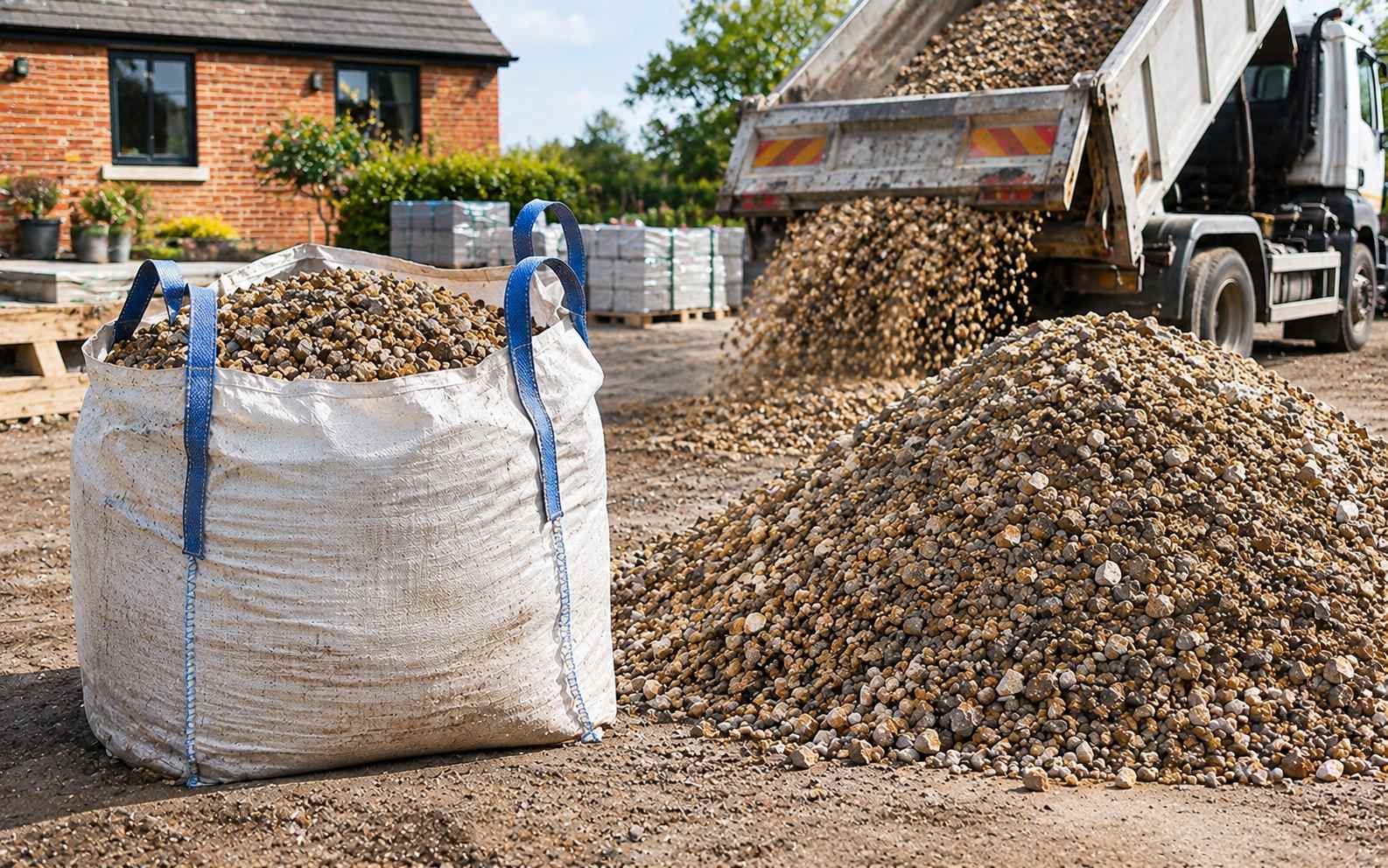
When you order aggregates for your project, it is important to look at both the unit cost of what you are ordering and the convenience of having it delivered to site. Ordering loose tipped loads can offer better value per tonne for larger quantities, while bulk bags provide a practical option for smaller orders and sites where keeping materials contained is important. Understanding the minimum order quantities and delivery requirements helps you choose the most economical option for your project.
Key Summary
- Best for smaller orders (under 10 tonnes): Bulk bags are generally the most economical option because Mainland Aggregates does not supply loose aggregate below 10 tonnes.
- Best for larger projects (10 tonnes or more): Loose aggregate deliveries can offer better value per tonne, particularly when ordering larger quantities of a single material.
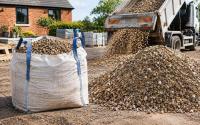
- Bulk bag weight: Mainland Aggregates bulk bags have a maximum weight of 850kg per bag.
- Site access matters: Standard bulk bag deliveries use a tail-lift and pump trolley, which requires a suitable level, hard surface. Crane delivery can be arranged at additional cost where available.
- Handling and storage: Bulk bags keep materials contained and separate, while loose deliveries require sufficient space for tipping and storing aggregate on site.
Order Size and Cost Per Tonne
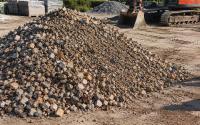
Before you decide which delivery option is better for your aggregates, you need to look at how much material your project is going to require. If your job is on the smaller side, bulk bags are a practical option. Once you need larger quantities of a single aggregate, loose tipper deliveries can bring the cost per tonne down.
There is an important consideration when ordering from Mainland Aggregates: loose aggregate is only supplied in quantities of 10 tonnes or more. For orders below this threshold, bulk bags are generally the more economical option. This is because the cost of arranging a loose delivery for a smaller quantity can make it less cost-effective than using the bulk bag delivery network.
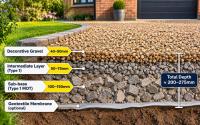
For example, if you need a few tonnes of MOT Type 1 sub-base for a driveway, a bulk bag may be the better choice. If you are working on a larger project requiring 10 tonnes or more of the same material, a loose tipper delivery may provide better value.
It is also worth considering how many different materials you need. If your project requires MOT Type 1, sharp sand and decorative gravel, ordering separate bulk bags can help you manage each material independently without ordering an unnecessarily large loose load of one product.
Site Access and Delivery Constraints
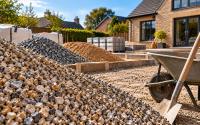
It is also worth considering your site and what access is available for the delivery vehicles. For example, if you are working on a residential driveway, you may find that bulk bags are the most convenient option. On a larger building site where there is sufficient space, turning room and suitable ground conditions, a tipper lorry may be more practical for delivering larger quantities.
However, it is important to understand how bulk bags are delivered. Mainland Aggregates' standard delivery method uses a vehicle with a tail-lift and a manually operated pump trolley. The trolley requires a level surface such as tarmac, concrete or block paving. It cannot travel over gravel or grass, or manoeuvre bulk bags up slopes or kerbs.
If you need bags placed somewhere that the standard delivery vehicle cannot reach, a crane delivery may be possible at additional cost. Mainland Aggregates can arrange HIAB crane delivery for qualifying orders, subject to the site access and unloading requirements.
Loose aggregate deliveries have their own access considerations. Tipper vehicles need sufficient room to enter the site, position safely and discharge their loads. Overhanging trees, cables, narrow entrances and unsuitable ground conditions can all affect whether a particular vehicle can deliver successfully.
Always factor in access restrictions and any local requirements if a vehicle or materials need to occupy space near a public road. You can find further details about vehicle dimensions and unloading arrangements in our aggregate delivery information.
On-Site Handling, Storage and Waste
How you store and move materials after delivery affects both working speed and site tidiness. Bulk bags keep aggregate contained and separate, while loose piles can be more convenient for fast mechanical handling on larger sites.
On larger sites, scooping material from a loose pile with a mini-digger or moving it by wheelbarrow can help keep work progressing, provided there is sufficient space and suitable equipment available. You will also need to consider where the aggregate can be tipped and stored without obstructing other site activities.
On smaller plots, bulk bags can help keep materials contained and reduce the risk of different aggregates becoming mixed together. They also make it easier to order and store separate products for different stages of a project.
It is worth planning where each bag or loose pile will be placed before delivery. A suitable drop-off area can help prevent unnecessary handling, keep access routes clear and reduce the amount of material that is lost or spread around the site.
Quick Decision Guide: Domestic vs Trade
Domestic projects with limited space, smaller quantities or several different materials will generally be better suited to bulk bags. Because Mainland Aggregates supplies loose material from 10 tonnes upwards, bulk bags are the appropriate option for orders below that amount.
Trade projects requiring 10 tonnes or more of a single aggregate may benefit from loose tipper deliveries, particularly where there is enough space for the vehicle to access the site and discharge the material safely.
Some projects may use a combination of both options. For example, you could arrange a loose delivery for the main sub-base and order separate bulk bags for smaller quantities of decorative stone or sand. This allows you to match the delivery format to the quantity and purpose of each material.
The best-value aggregate delivery is the one that fits your tonnage, site access and working requirements. Compare the cost of loose deliveries for larger orders against the flexibility of bulk bags for smaller quantities, and make sure you understand the unloading arrangements before booking.
For more information about vehicle access, delivery methods and unloading requirements, visit our delivery information page. You can also explore our range of decorative aggregates, sub-base materials and building and construction sands.
Bulk Bags vs Loose Aggregates – FAQs
How much does a bulk bag of aggregate actually weigh?
Mainland Aggregates bulk bags have a maximum weight of 850kg. The exact volume covered will depend on the density and type of aggregate, so check the individual product page for coverage and density information. For example, our MOT Type 1 and sharp sand product pages provide approximate coverage details.
Can bulk bags be delivered onto a sloped driveway?
Mainland Aggregates' standard bulk bag delivery uses a tail-lift and manual pump trolley. This trolley requires a level, suitable surface such as tarmac, concrete or block paving and cannot operate on slopes, grass or gravel. Crane delivery may be available at additional cost, subject to the order and site requirements. Contact the team before ordering if your delivery area has restricted access.
What is the minimum order for loose aggregate delivery?
Mainland Aggregates supplies loose aggregate in quantities of 10 tonnes or more. Orders below 10 tonnes are supplied in bulk bags, which are generally the more economical option for smaller quantities.
Can I order different aggregates in one delivery?
Bulk bags allow you to order separate materials for the same project, helping to keep products apart. If you need several different aggregates, check the delivery arrangements and access requirements for the number of bags ordered. Loose deliveries are generally arranged by product and load, so discuss mixed requirements with Mainland Aggregates before ordering.
How should I prepare my site before an aggregate delivery?
Make sure the delivery vehicle has safe and unobstructed access, with enough room to manoeuvre and unload. For standard bulk bag deliveries, the unloading area must be level and have a suitable hard surface such as tarmac, concrete or block paving. Remove parked vehicles and other obstructions, and tell Mainland Aggregates about access restrictions before placing your order.