How to Prepare Your Gravel Driveway for Winter
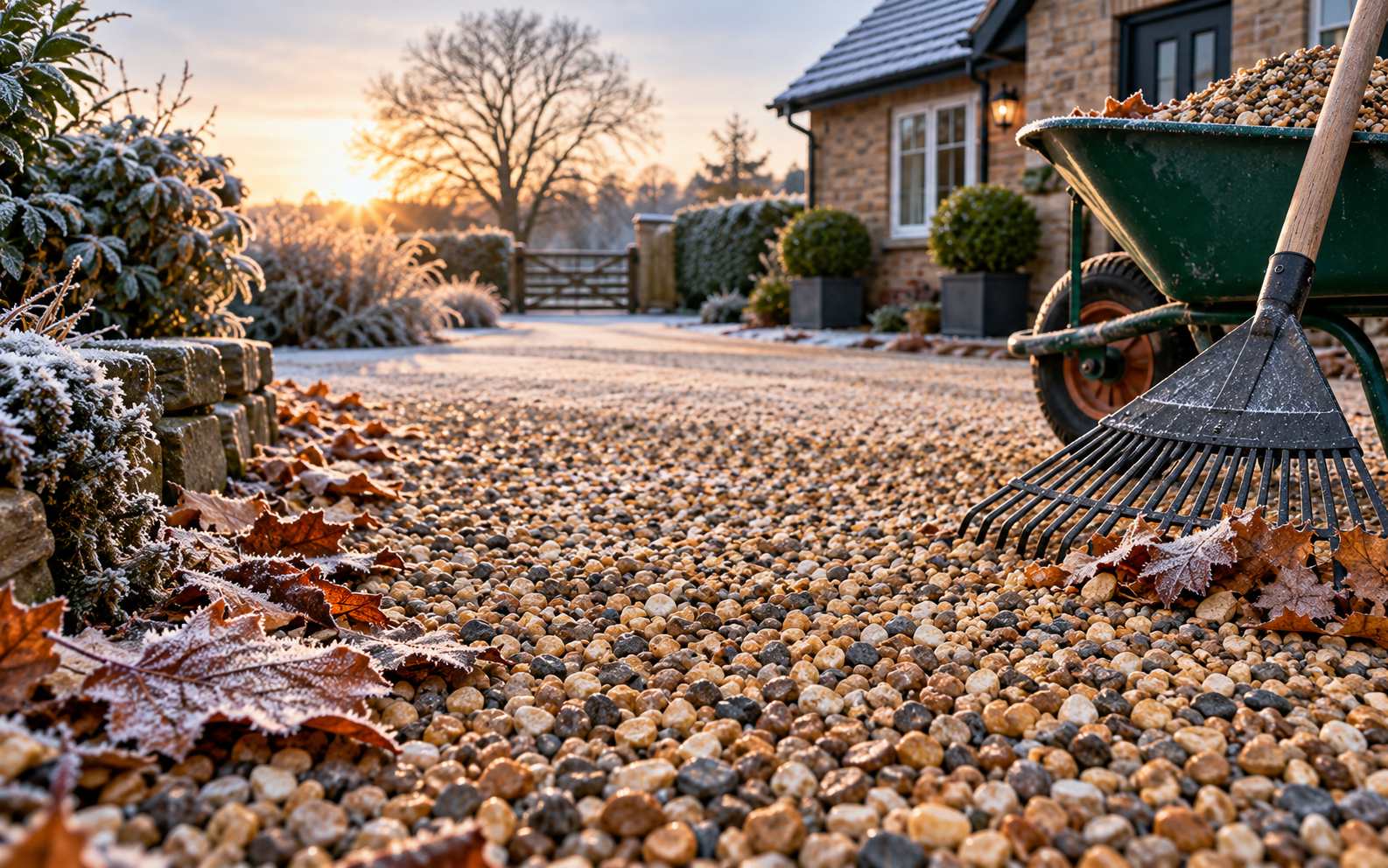
With winter on the way, now is the perfect time to prepare our outdoor spaces for wet, cold and unpredictable weather. Gravel driveways are a popular option for many British homes but they benefit from simple maintenance to ensure their longevity.
Key Summary
- Clear Leaf Litter Early: Remove fallen leaves and weeds to prevent organic material from rotting and turning into mud.
- Repair Sub-Base Properly: Carefully scrape back surface stone, fold back or patch the geotextile membrane, and compact fresh MOT Type 1 into sunken spots to restore the driveway sub-base.
- Top Up Surface Stone: Maintain a 30–50mm depth of 20mm gravel to prevent tyre tread pick-up and maintain even coverage.
- Check Drainage: Clear drains to ensure surface water runs off effectively.
Start with a Clean Slate
Before assessing the state of your driveway, clear off any fallen leaves, twigs, and dead organic matter. When leaves are left on top of gravel, they break down into a soft, organic layer that traps moisture and creates soil-like conditions. This leads to the perfect environment for weed growth and mud formation, so addressing it before any repairs or corrective work takes place is important.
Use a leaf blower, a grass rake, or a stiff garden broom to gently clear the surface without dislodging too much stone. At the same time, pull up any remaining weeds by the roots before winter settles in, as root systems can disrupt the stability of your surface.
Inspect and Repair Sunken Spots
Potholes and deep ruts usually form when water penetrates weak spots or when the ground beneath settles under vehicle weight. If you have a membrane fitted, topping up the aggregate surface alone won't fix a sagging foundation.
Here is how to properly repair a dip or soft spot without damaging your geotextile membrane:
Scrape back the top layer: Rake back the surface decorative gravel around the affected area until the underlying membrane is exposed.
Inspect the membrane: Check whether the membrane is intact. In a quality installation, a heavy-duty geotextile membrane sits beneath the driveway sub-base (or directly under the surface gravel as a weed barrier) to prevent stone from sinking into the subsoil.
If the membrane is intact: Lift or cut a neat flap in the membrane (or work over a weed barrier) to access the sunken area beneath. Fill the depression with fresh MOT Type 1, compacting it thoroughly with a hand rammer or compacting plate to level out the base. Fold or lay the membrane back down flat over the newly compacted material.
If the membrane is torn or missing: Lay a fresh patch of geotextile membrane over the repaired sub-base, ensuring at least a 300mm overlap with the surrounding fabric. This overlap is best tucked under the edges of the existing membrane. Once the area is ready, it can be covered with decorative gravel or stone.
Level the Surface
Over a year of daily driving, gravel naturally migrates toward the edges or settles into low spots. Winter rain then collects in these low areas creating deep, unsightly puddles.
To fix this:
- Rake the existing gravel evenly across the surface to identify shallow patches.
- Once any sub-base repairs are complete, distribute your top-layer stone evenly.
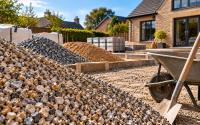
For standard residential driveways, using 20mm gravel or decorative chippings is ideal. A 20mm aggregate size is large enough that it won't easily get caught in car tyre treads, yet small enough to walk on comfortably.
Ensure Effective Driveway Drainage
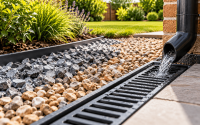
Proper driveway drainage is critical when preparing for heavy winter downpours. Standing water is the main culprit behind gravel erosion, rutting, and mud accumulation. Check that perimeter drainage and soakaways are clear of leaves, silt, and stray stones.
Ensure your driveway retains a subtle crown or slope (typically a 1:40 gradient) so surface water naturally drains off to the sides rather than pooling in the centre. If your driveway borders a lawn or garden soil, check that your timber or stone edgings are intact to keep gravel in place and prevent garden soil from washing across the stone during heavy rain.
Choose the Right Aggregate Products
If you are topping up an existing area or installing a fresh driveway, choosing quality aggregates makes all the difference. Mainland Aggregates supplies a comprehensive range of materials delivered directly to your site via our flexible gravel delivery service:
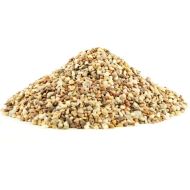
Decorative Gravel & Chippings: From classic Golden Gravel and Moonstone Chippings to durable Granite and Basalt, our range of decorative gravel adds exceptional kerb appeal while standing up to harsh frost cycles.
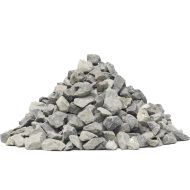
MOT Type 1 Sub-Base: The industry-standard bulk driveway sub-base material required to create a solid base beneath your driveway.
Geotextile Membranes: Heavy-duty woven and non-woven geotextile fabric designed for soil separation, weed suppression, and structural stabilisation.
Now is the perfect time to get your driveway ready for winter. Spending time now clearing away any debris, carrying out basic repairs, and clearing your drainage will make your life much easier when the winter months hit.
Frequently Asked Questions (FAQs)
How do you prepare a gravel driveway for winter?
Clear away leaves and weeds, compact fresh MOT Type 1 into any low spots, repair geotextile membrane tears, and top up with a 30–50mm layer of fresh gravel.
What is the best gravel for a driveway?
The best aggregate for a standard driveway is a 20mm gravel or angular decorative chipping (such as granite, basalt, or flint). A 20mm aggregate size is also ideal because smaller 10mm pea shingle can lodge in vehicle tyre treads, while larger stones are uncomfortable to walk on. Angular stones lock together under vehicle pressure, reducing movement and rutting compared with smooth rounded river pebbles.
How do you stop a gravel driveway from getting muddy?
Lay a heavy-duty geotextile membrane under your aggregate, build a solid MOT Type 1 sub-base, and keep perimeter drainage clear of debris.