
Do Cotswold Chippings Turn Green?
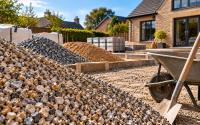
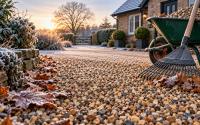
Cotswold chippings are one of the most popular choices for UK gardens thanks to their warm, creamy tones. A question we’re asked at Mainland Aggregates is whether Cotswold chippings turn green over time.
The short answer: the stone itself does not turn green - but surface conditions can make it appear that way.
Why Might Cotswold Chippings Look Green?
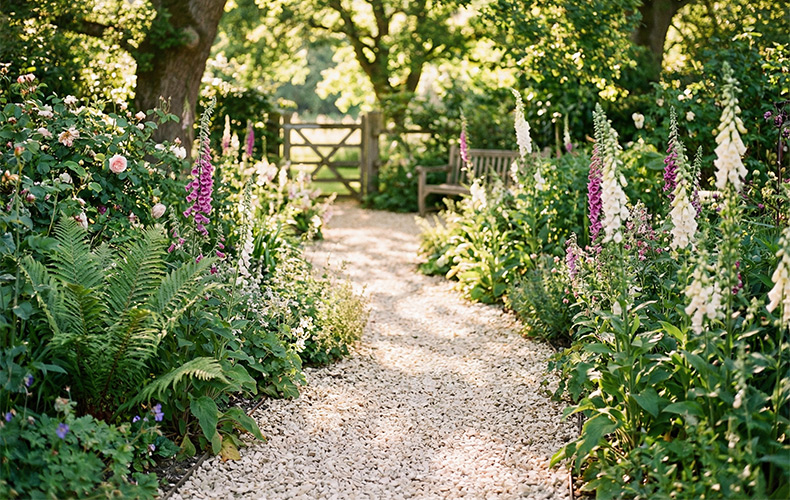
Cotswold stone is a natural limestone. Its colour ranges from pale cream to honey beige. Limestone does not naturally change to green. However, environmental factors can affect how it looks.
Green discolouration is usually caused by:
-
Algae growth
-
Moss development
-
Organic debris breaking down
-
Persistent damp or shaded conditions
If the area has poor drainage or limited sunlight, moisture sits on the surface longer. This creates the ideal environment for algae to form, giving decorative stones a green tint.
Is This a Problem with the Stone?
No. This issue is not unique to Cotswold chippings. All light-coloured decorative gravels & chippings can show algae more visibly than darker aggregates. In fact, the lighter the stone, the more noticeable surface growth can be.
The key factor is not the material itself but:
-
Location (north-facing gardens are more prone)
-
Drainage quality
-
Amount of shade
-
Nearby trees dropping organic matter
When installed correctly with a good sub-base and membrane, Cotswold chippings remain stable and low maintenance.
How to Prevent Green Discolouration
There are several practical steps you can take to keep your gravel looking fresh.
1. Improve Drainage
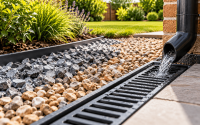
Ensure a solid sub-base allows water to drain freely. Standing water increases algae growth.
2. Regular Maintenance
Light raking removes leaves and debris before they break down and stain the surface.
3. Increase Sunlight Where Possible
Trim back overhanging plants to improve airflow and reduce damp conditions.
4. Occasional Cleaning
A gentle wash with a hose or light pressure wash can remove surface algae. For stubborn patches, use a stone-safe cleaner designed for limestone.
Do They Stay Cream-Coloured Long Term?
Yes. When properly installed and maintained, Cotswold chippings retain their natural cream tone for many years. Like all natural aggregates, they will weather slightly, which often enhances their appearance rather than detracts from it.
Many customers prefer the slightly softened tone that develops over time, as it blends more naturally into garden settings.
The Bottom Line
Cotswold chippings do not chemically turn green. Any green appearance is typically surface algae caused by damp or shade. With good drainage and light upkeep, they remain one of the most reliable and attractive options within the range of decorative gravels & chippings available in the UK.
If you’re planning a driveway, pathway or border, Mainland Aggregates supplies high-quality Cotswold stone in consistent grading, helping you achieve a clean and long-lasting finish.
IMPORTANT NOTICE – DOES NOT APPLY TO LOOSE DELIVERIES
- Orders are delivered by an 18t rigid vehicle with a tail-lift and manual pump trolley.
- A level tarmac, concrete, or block-paved area is required for unloading; the trolley cannot operate on grass, gravel, or slopes.
- The lorry (10m L x 2.8m W x 4m H) does not have a HIAB crane and cannot lift over fences/hedges or deposit bags on grass or gravel.
- Customers must ensure access roads and the unloading site are suitable for the vehicle. Inform us immediately of any access issues at 01234 831108
- Delivery guarantees kerbside only, though drivers will try to place orders in the required area.
- HIAB crane delivery is available for orders of 10+ bags/pallets at extra cost.
Categories
Recent Posts