Does Sharp Sand Change the pH Level of Garden Soil for Ericaceous Plants?
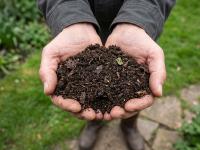
When preparing soil for acid-loving plants, many gardeners wonder whether adding sharp sand will change the pH of their garden soil. It’s a common question, particularly when growing plants that require very specific soil conditions. While sharp sand is widely used in gardening and landscaping, its role is often misunderstood when it comes to soil acidity.
What Is Sharp Sand Used for in Gardening?
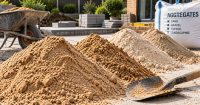
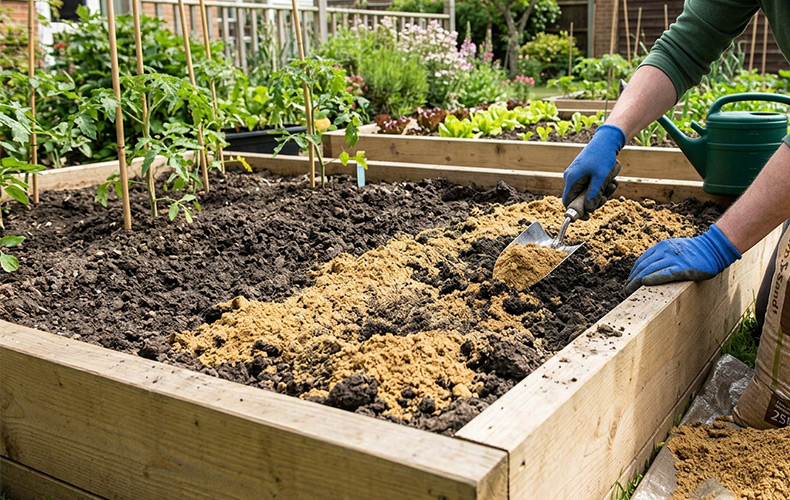
Sharp sand, part of our quarried sand and ballast range, is a coarse, gritty sand made from crushed stone. It is commonly used in gardening to improve soil structure and drainage. The larger particles help break up heavy soils, especially clay, allowing water to drain more freely and air to circulate around plant roots.
Because of its physical properties, sharp sand is frequently mixed into soil when preparing planting beds, improving lawns, or creating free-draining compost blends. However, its primary purpose is structural improvement, not chemical alteration of the soil.
Does Sharp Sand Change Soil pH?
In most cases, sharp sand does not significantly change the pH level of soil. The sand is mainly composed of silica and is generally considered chemically neutral. This means it will not make soil noticeably more acidic or more alkaline when mixed into your garden beds.
For gardeners hoping to adjust soil acidity, this is important to understand. Adding sharp sand alone will not transform alkaline soil into the acidic conditions required for certain plants.
Why Soil pH Matters for Ericaceous Plants
Ericaceous plants require acidic soil conditions, typically with a pH between about 4.5 and 6.0. Well-known examples include Rhododendron, Azalea, Camellia, and Vaccinium.
If these plants are grown in soil that is too alkaline, they can struggle to absorb important nutrients such as iron. This often leads to symptoms like yellowing leaves and reduced growth.
Can Sharp Sand Still Be Useful?
Although sharp sand will not change soil pH, it can still be beneficial when preparing soil for ericaceous plants. Improving drainage is important because many of these plants prefer moist but well-drained soil rather than heavy, waterlogged ground.
Mixing sharp sand into dense clay soils can help create a looser growing medium where roots can spread more easily.
How to Create the Right Soil Conditions
If your goal is to create the ideal environment for ericaceous plants, you will need to use materials that actively influence soil acidity. Gardeners often rely on ericaceous compost, pine bark mulch, leaf mould, or specialist soil acidifiers to lower or maintain soil pH.
Final Thoughts
Sharp sand is an excellent quarried aggregate for improving drainage and soil structure, but it does not significantly alter soil acidity. When growing ericaceous plants, it should be used as a soil conditioner rather than a method for changing pH levels. For the best results, combine good soil structure with the right acidic growing medium.
IMPORTANT NOTICE – DOES NOT APPLY TO LOOSE DELIVERIES
- Orders are delivered by an 18t rigid vehicle with a tail-lift and manual pump trolley.
- A level tarmac, concrete, or block-paved area is required for unloading; the trolley cannot operate on grass, gravel, or slopes.
- The lorry (10m L x 2.8m W x 4m H) does not have a HIAB crane and cannot lift over fences/hedges or deposit bags on grass or gravel.
- Customers must ensure access roads and the unloading site are suitable for the vehicle. Inform us immediately of any access issues at 01234 831108
- Delivery guarantees kerbside only, though drivers will try to place orders in the required area.
- HIAB crane delivery is available for orders of 10+ bags/pallets at extra cost.
Categories
Recent Posts