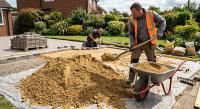
Why Mulching in January Sets the Stage for a Thriving Spring Garden
January might feel like downtime in the garden, but it’s one of the best months to prepare for spring growth. Winter mulching adds protection, improves soil health and reduces maintenance later in the year. By laying mulch now, you give plants a stronger start and set the foundation for a healthier, more resilient garden when temperatures rise.
Below are the key reasons why mulching in January is worthwhile, plus guidance on choosing the right materials for your space.
1. Stabilises Soil Temperature and Protects Roots
Soil can freeze and thaw repeatedly over winter, which stresses plant roots and disrupts growth. A layer of mulch acts as insulation, helping the ground maintain a more stable temperature. This reduces root damage and keeps the soil environment consistent, even during severe frost or cold snaps.
2. Helps Retain Moisture in Cold Weather
Cold winds and low winter rainfall can dry out soil more than you might expect. Mulch reduces evaporation, helping soil hold onto moisture for longer. This ensures shrubs, borders, perennials, and young plants continue to receive water, even when conditions are harsh.
3. Suppresses Winter Weed Growth
Weeds don’t disappear completely in winter; they simply slow down. A mulch layer blocks sunlight and limits germination, stopping new weeds before they establish. By tackling the issue now, you save yourself time in spring when planting takes priority.
4. Protects Against Soil Erosion
Rain, frost and snowmelt can wash away exposed topsoil, especially on slopes or unprotected beds. Mulch holds soil in place, reduces erosion, and helps prevent nutrients being washed out. This is particularly beneficial in vegetable beds, borders, and around young plants.
5. Improves Soil Structure and Fertility
Organic mulches slowly break down over time, adding nutrients and improving soil structure. This supports drainage, root development, and long-term fertility. As a result, the soil enters spring in better condition, reducing the need for heavy feeding or corrective work later on.
Choosing the Right Much for Winter
Mainland Aggregates stocks a range of mulching options suitable for decorative gardens, beds, borders and allotments:
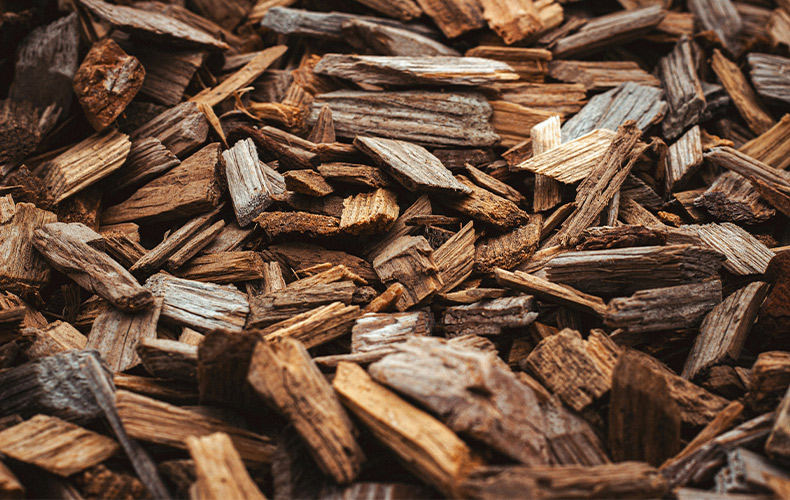
Premium Pine Bark – Best Overall for Winter
-
Why? Pine bark breaks down slowly, insulates the soil well and helps retain moisture.
-
It holds its structure through wetter months, reduces frost heave, and suppresses weeds.
-
Great around borders, shrubs and perennial beds.
Landscape Bark – Strong All-Round Winter Mulch
-
A reliable, classic mulch choice for winter.
-
Provides good insulation and weed suppression.
-
Works well across flower beds, herbaceous borders and larger garden areas.
Application tip:
Apply mulch to moist, weed-free soil at a depth of around 5–7.5cm. Keep it slightly away from plant stems to avoid trapping moisture against the bark.
Final Thoughts
Mulching in January is a quick, effective job that pays off for months. It protects plants through winter, preserves moisture, blocks weeds, prevents erosion and improves soil quality ready for spring. By acting now, you support stronger growth and a healthier garden as the weather warms.
For winter-ready mulches and nationwide delivery, explore the range at MainlandAggregates.co.uk.
IMPORTANT NOTICE – DOES NOT APPLY TO LOOSE DELIVERIES
- Orders are delivered by an 18t rigid vehicle with a tail-lift and manual pump trolley.
- A level tarmac, concrete, or block-paved area is required for unloading; the trolley cannot operate on grass, gravel, or slopes.
- The lorry (10m L x 2.8m W x 4m H) does not have a HIAB crane and cannot lift over fences/hedges or deposit bags on grass or gravel.
- Customers must ensure access roads and the unloading site are suitable for the vehicle. Inform us immediately of any access issues at 01234 831108
- Delivery guarantees kerbside only, though drivers will try to place orders in the required area.
- HIAB crane delivery is available for orders of 10+ bags/pallets at extra cost.